Skip to content

News

What Is a Hair Wrap? And Is It Better Than a Hair Towel?

What Is a Hair Wrap? And Is It Better Than a Hair Towel?

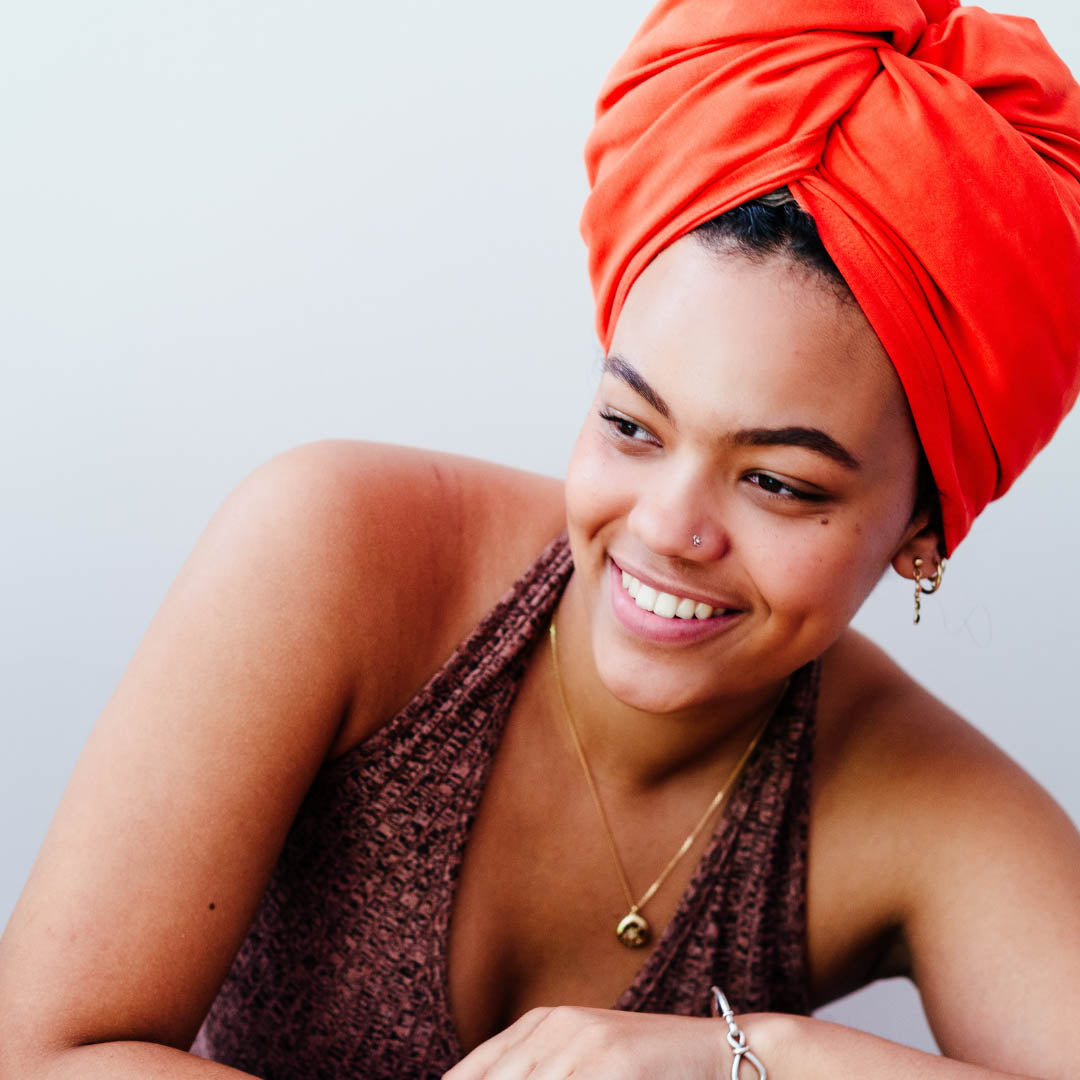
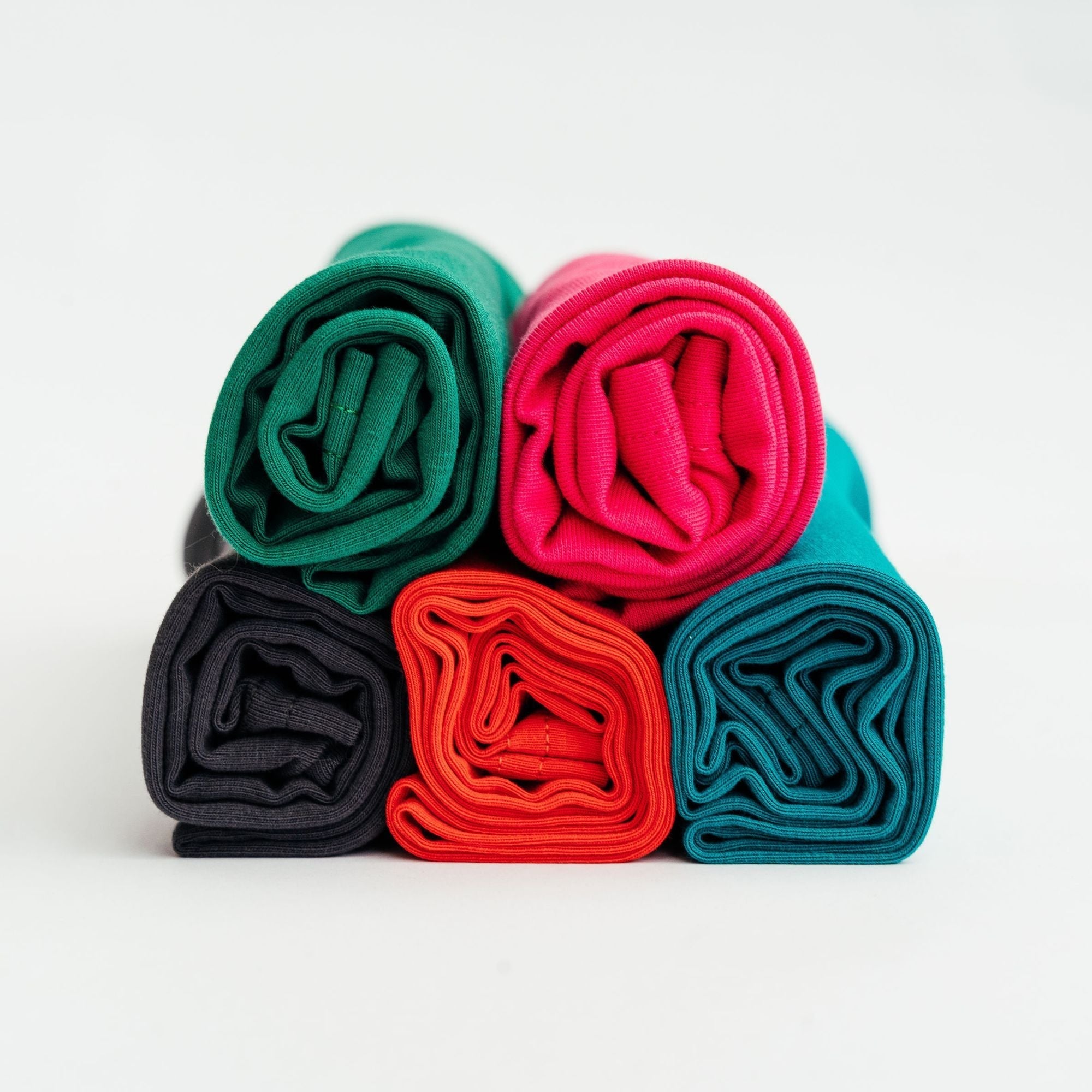
Hair wrap vs hair towel: what’s the difference? A hair wrap is a fabric wrap designed to hold wet hair after washing. It’s typically twisted or secured on top of the head to keep hair contained while it dries. Hair wraps are often used to: Absorb excess water after washing Reduce dripping Keep hair out of the face while getting dressed or doing skincare They’re sometimes confused with hair towels, but the two aren’t always the same thing — and that distinction matters for hair health. That overlap is normal — what matters most is the fabric and the way it treats wet hair. The terms hair wrap and hair towel are often used interchangeably, but they describe slightly different things. A traditional hair wrap: Is often made from microfibre or terry Focuses on containment rather than hair care Can be quite structured or elasticated A hair towel, by contrast: Prioritises absorbency and gentleness Uses softer, more breathable fabrics Supports the hair’s natural drying process At Good Wash Day, our products are technically hair towels, but many customers refer to them as hair wraps because of how they’re worn. That overlap is normal — what matters most is the fabric and the way it treats wet hair. Why fabric choice matters more than the name Hair is at its most vulnerable when wet. Rough or highly absorbent fabrics can: Create friction Disrupt the cuticle Increase frizz and breakage Many conventional hair wraps are made from microfibre or looped terry, which can grip the hair too aggressively. Our hair towels (often called hair wraps by customers) are made from organic jersey cotton — the same soft, smooth knit used in high-quality clothing. This matters because jersey cotton: Gently absorbs water without pulling Reduces friction against the hair shaft Allows hair to dry naturally, not aggressively A note on fasteners and twisting Many traditional hair wraps rely on buttons, elastics, or tight fasteners to stay in place. These designs often encourage hair to be twisted tightly while wet, which is when hair is at its most fragile. Our hair towels are designed differently. There’s no button, loop, or fastener, and no need to aggressively twist or coil the hair to secure it. Instead, the soft stretch of the jersey fabric allows the towel to wrap and stay in place more naturally, reducing unnecessary tension on wet hair. The result is hair that feels calmer, smoother, and more manageable once dry. Are hair wraps good for curly or wavy hair? Yes — if the fabric is right. For curly, wavy, or textured hair, a soft hair towel or wrap is often used for plopping. This technique supports curl formation while minimising frizz. A breathable, stretch jersey fabric works particularly well because it: Holds curls without crushing them Absorbs water evenly Avoids the roughness that can disturb curl patterns This is why many curly-haired customers use our towels as their everyday hair wrap. Are hair wraps suitable for all hair types? A well-designed hair wrap or towel should work for: Straight hair Fine or fragile hair Thick or long hair Curly and coily textures The key is choosing one that doesn’t rely on tight elastics, heavy weight, or abrasive fabric. That’s also why we offer both regular and extra-large hair towels — so the wrap fits your hair, not the other way around. Hair wraps and hair loss For people experiencing hair thinning or hair loss — whether related to menopause, illness, medication, or stress — how hair is handled can feel particularly important. At these times, many people look for ways to: be gentler with wet hair avoid unnecessary tension or pulling reduce friction during everyday routines While no towel or wrap can change underlying causes of hair loss, choosing a soft, breathable fabric and avoiding tight fasteners or aggressive twisting can help reduce unnecessary stress on fragile hair. This is one of the reasons our hair towels are often chosen by people looking for a calmer, more considered approach to hair care during periods of change.You may also find our guides on menopause and hair and nutrition for healthy hair helpful. So… should you use a hair wrap or a hair towel? In practice, the best option is a hair towel that functions like a wrap: Soft, breathable fabric Easy to secure Gentle on wet hair If you’re searching for a hair wrap, what you’re often really looking for is a hair-kind way to dry your hair without frizz or damage. That’s exactly what we designed ours to do. Explore our hair towels (also known as hair wraps) If you’d like to see the difference fabric makes, you can explore our full range of organic jersey cotton hair towels here: Organic Hair Towels & Hair Wraps  

Learn more
Good Wash Day on BBC Dragons’ Den

Good Wash Day on BBC Dragons’ Den

I’ve lost count of the number of times people have uttered those words to me over the last four years! My response was always "absolutely no way, I could never do that". Yet here we are… How did this happen?! Last April, I opened my Instagram DMs to find a message from a BBC producer asking if I would like to have a chat about applying for the corporation’s ‘factual entertainment’ show. My gut feeling was once again, "absolutely no way", and I sat on it for a while. I then decided to at least have a phone call with the producer—I had nothing to lose! While that first call piqued my interest, I was still adamant that it wasn’t for me: vulnerability, stress, and being the centre of attention? No thank you!   I did, however, appreciate that going through the process and being forced to pore over my business in forensic detail could only be a good thing, so I agreed to the next step… There are so many next steps in the application process, and it’s exactly the same whether you’ve applied under your own steam or have been invited to apply—there are no shortcuts! The steps included: that initial call a second call a pre-recorded pitch (these used to be in person in an actual TV studio before COVID, but applicants now send in a video) a business plan numerous forms and questionnaires a recorded one-hour ‘interview’ due diligence (anyone who has been on the show will likely be shuddering at those words; it is, as you would expect, exhaustive and exhausting, but should be embraced because, again, that level of analysis is no bad thing, especially if you run an ethical business!) a call with a third-party specialist to discuss emotional wellbeing Early on, and before I’d signed an NDA, I tracked down around ten people who had been on the show to ask if they would share their experiences. I do like to do extensive research, and this felt like a huge decision—this was my own personal version of due diligence, I suppose. They were all so generous with their time; one even called me from an airport just before boarding a flight. I found another so impressive I offered to buy her lunch, and she said yes! We’ve met up a few times since, and she has been such a cheerleader for me and my business. Thank you, Hannah! The BBC was really good at telling me what to expect at each step. It starts to get very real when they inform you that you’ve passed another stage, and that your business will be discussed at meetings with an ever-increasing number of senior producers, culminating in the series producer giving the green light (or not). Even after passing this gruelling process with flying colours, I was still unsure if I’d accept a filming date! After all, I couldn’t possibly actually DO IT! At the grand old age of 55, I had never pitched a business before, or even given a presentation, so pitching on a show with no do-overs, to five highly successful entrepreneurs (and knowing that millions of people would eventually watch me) felt more terrifying than I can convey. I was on a family holiday in the South of France when I was finally offered a filming slot. We were scrambling to come up with a solution to get me home and prepped earlier than our trip was due to end, but we couldn’t make it work. It was towards the end of the filming schedule, and I was absolutely gutted—it looked like I wouldn’t be on the show after all. That told me everything I needed to know. I wanted to be on Dragons’ Den! The following week, I was offered another slot! I had nine days’ notice to prepare* for filming in Manchester, the other end of the country from me. It was the last day on set for season 22. My last chance. *I hadn’t even written my pitch, let alone learned it; nor had I memorised my numbers—because up until then, I wasn’t actually going to go on the show! Cue action stations! I voice recorded my pitch in bite-sized chunks and listened to it for hours every day. I wrote all my numbers onto revision cards and stuck them on the fridge. And placed them on my dressing table. And in my handbag. And in the car. I rewatched previous episodes of the show (wow; it used to be brutal) and wrote down questions I wouldn’t at that point be able to answer off the top of my head. I revised these daily. I wrote my forecast in such a way that it all stacked up against my growth to date, and my gross and net profit margins. I valued my business based on its EBITDA. Basically, I made the numbers as robust and factual as possible. While all this was going on during those NINE DAYS, I was in constant contact with the BBC about my pitch script, props, and setup. I also asked Julie—an Instagram superstar who loves my towels—if she fancied coming with me, as in actually into the Den with me. She didn’t miss a beat before saying YES! (Note to us all: be more Julie!) Filming Day The day before my filming date, James drove us from Winchester to Manchester so that I could rehearse my pitch over and over in the car. We dropped my towels and other display items off at the studio and went to meet Julie at our hotel (we had never met in person before!).The following morning, we had to be at the studio at 7 a.m. It’s impossible to convey the size of the knot in my stomach! In fact, it would be more accurate to say "there’s a stomach in my knot". I liken it to waiting to have surgery; people kept coming to ask me to do increasingly scary things (at least nobody drew on me). My producer asked me to recite my pitch to him, and whilst I absolutely knew it, I couldn’t get past the first paragraph. Then he told me about 20 people (floor producer, lighting, sound, etc.) were about to rock up, and they’d expect me to get it all out: no pressure, Ronan. And just like that, it flowed perfectly. I then filmed face-to-camera pieces, and walking out of ‘the lift’. Hair and makeup brought some light relief and a lovely chat with makeup artist Nancy, who knew all about the concept of using T-shirt fabric to dry hair. I was the last of three businesses to go into the Den on that last day of filming, entering at around 11:45. I walked out at around 13:15—an hour and a half of grilling! I can’t tell you the outcome. You’ll have to wait to watch it on the 27th (I haven’t seen the final edit, by the way, and I’ll be watching it with around 100 people at a WATCH PARTY, which is, apparently, a thing!) This is getting super long, so I’ll save the rest for Part Two…

Learn more
A Silver State Of Mind - Good Wash Day

A Silver State Of Mind

Thank you Julie, aka Instagram's The Fiftyist, for this fabulous guest blogpost and accompanying video. It's an emotional read, and I hope you find it as empowering as I did! If you're thinking of transitioning to your natural silvers you might want to check out this previous blogpost about caring for silver hair. Over to you, Julie... Have you decided to ditch the hair dye and transition to silver hair, then talked yourself out of it because you’re too scared?Well, I can reassure you that you are not alone—I’ve been there too! It’s such a big decision because grey hair has so many negative connotations.So, what would it take for you to finally reach your point of no return, step oversociety’s grey wall of shame and begin a transition from dyed to silver hair?I thought I’d share my thoughts on how I reached a Silver State of Mind…It’s summer, 2018, and I’m scared.I have to transition because I’ve become increasingly allergic to hair dye and am worried that soon I’ll have a more serious reaction.The fear I feel is largely to do with the acceptance of others; I don’t know how people will view me with grey hair.Plainly and simply, I think I will look old, and that’s because historically, society says I will.Yet this need to stop the merry-go-round of dyeing is overwhelming. It feels like the right thing to do, and it is, but I do nothing, for a long time.A key issue is that society starts to throw a giant invisibility cloak around women as they age. They become gradually less visible on TV and in the media in general. Youth is prized above all else, and despite the value of the ‘grey pound’ (such a sad term), advertising for health and beauty, fashion and fitness products are invariably aimed at young people. Value is placed with youth, not the youthful. There is embarrassment and shame about having grey hair. In more recent times, there have been improvements but there is still such a long way to go.Back in 2018, I’m deeply worried that I will become invisible, ignored, undervalued.The moment that changes everything for me is when I start to find, on social media, a few beautiful and famous models, actresses and activists who’ve taken this giant step. Although many are beautiful and would literally look good with green hair and wearing a paper bag, I feel that times are changing. Then I come across a small group of Silver Sisters on Instagram who are not famous, yet have taken the step and transitioned. I am elated. I can suddenly see myself—they are me; I am them.And they look amazing! They are glamorous, elegant, fun, quirky, brave and SILVER. And they are normal, just like me. I’m at the end of my tether with my allergies to the dye and this is the push I need. Suddenly all is possible—I know I can do it now. There are visible silver-haired women out there, confidently owning their natural hair colour. I take a deep breath and stop dyeing my hair. This is my moment of decision, but how do I keep going after my first hairdressing appointment passes and I see the first signs of silver peeking through?Well, I soon find out what it takes... It takes…bravery, confidence and a touch of sass. To be brave in the inimitable words of Brene Brown I must make myself vulnerable. Stepping into the unknown, even in such a small way, exposes my inner core to the world. I’m on Instagram by now, and although my family and friends are supportive, the comments online from others can be thoughtless and cold. I hurt a little inside at times, but I soon realise the trick is to totally ignore rudeness or give as little information as I can. If I’m feeling anxious, I pretend to be confident, and it works. Here and there I cultivate a dash of sass too – it helps to be bold!I learn that it takes… patience. The months are long but remembering how unbelievably fed up I was with the fortnightly root touch-ups and 6-weekly hair appointments spurs me on (along with the extra money I’ve saved!).It takes… realising that I am happy with myself regardless of my hair colour, because it sure as heck doesn’t define me. This acceptance is a huge step on the journey and one that I am so proud of. By the final months, I am pushing through to the end confidently, feeling fabulous and owning my long silver hair and new look in a way I never thought possible.I’m trying new colours and makeup that wouldn’t have suited me with my old unnatural colour but suit me with silver. I’m learning how to look after silver hair with sulphate free products and am regularly using my wonderful hair towel from Karen at Good Wash Day to keep my silvers soft and shiny.I’ve made thousands of new connections on Instagram and am part of a tribe of women who are all in this together—it’s a remarkable feeling.And, ultimately, what spurs me to the final trim of my dyed, dead ends is realising that in losing them, I no longer subscribe to the old manipulative outlook on grey hair. I’m refusing to wear society’s invisibility cloak. By ditching the dye I’m making the statement that I refuse to be side-lined. I’m here. I’m visible. It feels amazing. I’ve attained a Silver State of Mind. So… if this was my journey, it can certainly be yours. Why not talk yourself into it again, get sassy and go for it?

Learn more
Becca's Path To Self-Acceptance & Hair Health - Good Wash Day

Becca's Path To Self-Acceptance & Hair Health

"Hi Karen, I just wanted to say thank you so much for being brave enough to start GWD!! I received my towel a few days ago and have used it today for the first time and I literally love everything about it ❤️ It can’t be easy having your own business, but you’ve genuinely created an amazing product that when you use can tell you’ve really thought about the customer. Normally standard towels make my hair look so dull after washing, regardless of how much conditioner I use!! It is also so comfy - can’t wait to get more for myself and friends/family." A couple of months ago I received this message from a customer, Becca, via Instagram, It led me to ask Becca if she would like to share her hair journey, and she has very kindly written this blog post about it... Embracing my differences isn’t something that came easily to my younger self, including the colour of my hair. Mum and dad both had the most gorgeous dark brown hair but bang, I came out with the brightest, thickest red hair. The milkman joke was ironic as ours was in fact a redhead too! Wherever I went as a child people would always comment, mainly older ladies grabbing at me in the supermarket saying “what lovely unusual hair she has!” But for my younger self it was a constant reminder that I was different. It wasn’t until secondary school that I really began to feel like I stuck out like a sore thumb. I spent a long time begging my mum to let me dye my hair just so I could blend in with everyone else. After what felt like a lifetime of trying to convince her she finally gave in. I dyed my hair jet black and plastered on as much foundation and fake tan as possible to cover my freckles and pale complexion. Oddly, my new look really suited me and people were shocked when I told them my natural colour. After almost 10 years with black hair, I started to think about the damage I was causing - my roots needing touching up every two weeks. I think as I got older I also started to question what’s so bad about being natural and embracing my authentic self? I took a massive plunge and decided I wanted to strip all the dye back so I booked an appointment at a very well known salon in Soho, London with a view to undoing the last 10 years. I knew that removing years of box dye build-up in the darkest colour possible would be a massive challenge for any hair professional. But I was also excited for the change, and was reassured by the colourist that it would work, and I would get the result I wanted. However, it turned out that it was a way bigger job than the senior colourist, or salon, thought and they ended up bleaching my hair to within an inch of its life. The result was hair more damaged than when I started and I spent months trying to repair the patchy bleach job. And just when I thought things couldn’t get any worse, my hair started to fall out. After finally accepting my natural colouring it was probably the most traumatic thing that could have happened. I spent hours researching what to do next, and thousands of pounds trying to save the remaining hair I had. After seeing a trichologist it was clear that no amount of hair masks and special shampoos would work as the inner cortex of my hair was fried and it would continue to fall out. Two years later my hair is finally 100% natural and healthy, and I bloody love it!! Haircare is now extremely important to me and I’d like to share the products that have helped me on my journey back to health hair. -A good quality shampoo and conditioner—something I think people often overlook. I love the ranges from Wella Professional, Kerastase and Redken. -Wide tooth combs instead of aggressive brushes! -A scalp massager to improve scalp health and increase blood flow to the area which can aid growth. -Limiting heat styling, and always using protection—I swear by my Dyson airwrap. -Vitamins to improve hair health from the inside out. -Silk pillowcase and scrunchies to avoid breakage. -And now my Good Wash Day towel. A towel that looks after my wet hair the way it deserves has been missing from my routine and I now realise how important it is. I could never use a bog standard towel again! The moral of my story is to embrace what makes you different and invest in looking after yourself, including your gorgeous hair.

Learn more
Menopause And Our Hair - Good Wash Day

Menopause And Our Hair

The perimenopause and menopause phases of our lives can be very confusing as we don't always recognise the early symptoms. For many years it has been such a taboo subject that we never really knew where to turn or who to talk to. It's not always something for which we feel we can visit a GP. Often, we can feel like symptoms that we are experiencing are all in our mind and we're not quite sure how to put them into words. We don't really know how we’re feeling or what we're experiencing regarding changes our  bodies are going through.  Until recently you would have thought that there were only a few symptoms such as hot flushes, irregular menstrual cycle, mood swings and hair loss, but the fact is there are a plethora of symptoms that don’t just stop once we are considered ‘post-menopausal’. These symptoms can last for many years thereafter.There are three stages of the menopause. They are known as perimenopause, menopause and post menopause.The perimenopausal stage can happen many years before the menopause begins. It is during this first stage that our oestrogen and progesterone levels are beginning to decrease, and it is this decrease that triggers symptoms.The continued decline of these hormones throughout all of the stages of the menopause is what causes some or all of the symptoms listed below. Hot flushes Cold flushes Night sweats Breast tenderness Breast enlargement Palpitations Headaches Vaginal dryness, itching or pain Bladder weakness Bladder infections Low libido High cholesterol levels Fatigue Mood swings Anxiety and Panic Attacks Insomnia Dry and Itchy skin Bloating and Digestion issues Brain fog Lack of concentration Slow metabolism leading to weight gain Hair texture changes Women are post-menopausal after a full 12 months without a menstrual cycle. Some women enter menopause abruptly due to surgery (surgical menopause) or medication. Most symptoms will generally start to ease, but some women may have symptoms of the menopause for many years. What changes may I notice with my hair?The stages of the menopause can trigger 2 main types of hair loss. A reflective type of non-permanent hair loss called Telogen Effluvium and a genetic type of progressive hair loss called Androgenic Alopecia, also known as female pattern hair loss.During the early stages of perimenopause, the fluctuating oestrogen can cause changes to hair. Other stressors that can exacerbate or cause hair loss during the menopause are mineral or vitamin deficiency, heavy menstrual bleeding and stress.These changes in the hair can present a lack of density, hair shaft diameter changes, and brittle and dry hair which can result in hair breakage. Curls can change and lose definition; ponytails feel lighter and a shortening of the hair growth cycle results in slow and stunted hair growth. The hair growth cycle has four phases which are: Anagen (Growing phase), Catagen (Transition phase), Telogen (Resting phase) and Exogen (Shedding phase).Everybody’s hair grows for a set period of time. This time is genetically predetermined. If the hair growth cycle is behaving normally a hair will grow for a set time, then transition its way through the hair growth cycle to be replaced by a new hair and the entire process starts again.It is very normal to lose between 50 and 100 hairs a day but in the case of Telogen Effluvium the hair growth cycle is interrupted by one or more of the stressors. This then causes more hairs to transition faster through the hair growth cycle resulting in an increase in the daily hair shedding. This shedding will continue until the stressors have been removed. Some menopausal women who are genetically predisposed to female patten hair loss find that the menopause will trigger this process. This is due to the decrease of their female hormones. This decrease in oestrogen and progesterone allows androgen hormones (male hormones) to become more prevalent, triggering the process of hair follicle miniaturisation. This results in a reduction of hairs emerging from the follicular units. This in turn causes the mid frontal, vertex and crown area of the scalp to thin in a diffuse pattern. Female pattern hair loss is genetically inherited. It can be passed down from either the maternal or paternal parent or both. It’s a progressive type of hair loss that can lead to permanent thinning in the affective area. If you have concerns about hair thinning you may want to visit a trichologist to find out what treatments and advice are available to help. It’s really important to choose good hair care products and accessories that can strengthen the hair, and don’t contribute to its fragility.The right products can really help with the health and look of hair during the menopause. Hair is dead once it emerges from the scalp so it has always been susceptible to weathering, even more so during the stages of menopause. Special care must be taken when dealing with it. Make sure to regularly use hair masks as these will help to strengthen weakened hair fibres. Cleansing of the hair and scalp is really important as this can help alleviate irritation, inflammation, increase volume, remove product build up and moisturise the hair.Using an organic jersey cotton towel can help prevent breakage. What treatments are available to ease the symptoms of the menopause? Hormone replacement therapy (HRT)This comes in the form of tablets, skin patches, gels and implants. It’s really important if you are experiencing hair loss to choose hair friendly HRT. Your GP will be able to advise you on which ones are most suitable.Non-hormone treatment: complementary and alternative therapiesYou will read a lot about alternative treatments that help to alleviate the symptoms of menopause but many of these have not been proven to work and some have safety concerns. When seeking complementary and alternative treatments it’s always best to speak to a registered nutritionist. They will be able to advise you on the safest options.Lifestyle changes, such as a healthy balanced dietInclude foods that are rich in omega 3, vitamin D, B vitamins and calcium, and iron (when needed). Upping your dietary intake of proteins, cutting back on alcohol and giving up smoking, exercising regularly and reducing stress where possible can all help reduce the severity of symptoms. Omega 3 rich foods such as_Salmon, sardines, mackerelFlax and chia seedsHigh calcium rich foods such as:Kale, spinach, collard greensFigs, oranges, kiwi, pineapple Poppy, chia, sesame seeds Milk, yoghurts, cheese (there are lots of fortified non-dairy alternatives available) Good sources of proteinFish, poultry, eggs, nuts and seeds, beans, pulses and grains.What supplements help to treat the symptoms of the menopause?It’s really important to take the right supplements at the right time during these changing menopausal timesIronDuring your perimenopausal years, you may require additional iron. This mineral is responsible for the production of haemoglobin. Haemoglobin is a protein in your red blood cells that carries oxygen to your body’s organs and tissues. Every cell in our body needs iron for growth and development. It helps your immune system function. Prolonged and heavy periods can cause low serum ferritin. A low serum ferritin result can indicate that the body's stores of iron are low. Good sources of iron are: red meat, sardines and mussels, fortified cereals, pulses, nuts and seeds, quinoa, wholegrain bread and dried fruit.Post-menopausal iron supplementation is not required as the need for systemic iron reduces.According to www.nhs.uk women aged 19 to 50 require 14.8 mg per day dropping to 8.7 for women over 50. This is based on the woman no longer having a menstrual period.Vitamin DThis is a key vitamin for all, but it’s especially important during the menopausal phase. Oestrogen weakens our bones and the decrease that happens during perimenopause and the menopause can have long term effects on them. Vitamin D is essential for the absorption of calcium. There are also many studies that have found that optimal levels of vitamin D can help reduce some menopausal symptoms. Good sources of Vitamin D are: oily fish, eggs and fortified breakfast cereals. We also get Vitamin D from sunlight.Vitamin BB vitamins are essential for cellular function. They can improve brain function, help reduce stress and improve sleep as they increase the body’s production of melatonin. They also help to stabilise your mood and support feelings of wellbeing. There are 8 essential B vitamins and ensuring the body has a healthy balance of these can help with the management of some symptoms during the menopause. Vitamin B7 (biotin) is especially important for hair health.You can read more about vitamins and their benefits in this BBC Good Food article.Samantha Stewart MIT, Consultant Trichologist at The Spencer Clinic, and co-founder of CURL iD.

Learn more
Nutrition For Hair Health - Good Wash Day

Nutrition For Hair Health

All the hair on our heads and bodies is dead. Its cells are no longer living. Which makes you wonder if and how any of the topical potions aimed at hair growth and thickening work! It makes sense, then, to approach hair health from the inside, in a ‘you are what you eat’ kind of way, doesn’t it? By doing so we have the potential to positively impact our ‘future hair’. Rather than trying to embark on a total nutritional overhaul, aim to increase your intake of the following micronutrients each day. You’re probably already eating many of them (okay, so perhaps not the eyeballs…), and they’ll benefit more than your hair. Keratin A hefty percentage of our hair is made of a strong protein called keratin, which has the important task of building hair, skin and nails. You may have heard your hairdresser recommend keratin-based products for hair health, manageability and styling. Whilst some foods contain keratin (think eggs, onions, sweet potatoes, carrots, seaweed, salmon, and sunflower seeds), any protein will aid the body’s natural ability to create its own keratin. Chicken, turkey, fish, dairy products and nuts are excellent sources of protein. Vegans should stock up on quinoa, pulses, tofu, seeds, oats and rice (brown or wild). If you're worried you're not getting enough, look out for protein-rich snacks (some can be far from healthy, so check labels for sugar content—see below—and trans fats) or invest in a high-quality protein supplement from your favourite health food store. Omega 3 & 6 These essential fatty acids (EFAs) play a big part in maintaining healthy hair – studies suggest Omega 3 promotes hair growth and thickness. But instead of making these EFAs ourselves, we must get them from our diet. Fatty fish such as salmon and sardines are great sources of Omega 3, as are flax, chia and sunflower seeds, so be sure to add these ingredients to your shopping list. Sprinkle the seeds into a Greek or protein yoghurt for a yummy snack or dessert. I supplement via a daily teaspoon of Viridian's Organic Omega 3-6-9 Oil from Victoria Health daily. Biotin Otherwise known as vitamin B7, biotin is present in everyday foods like milk, bananas and eggs. This vitamin stimulates hair’s keratin production and can increase the rate of follicle growth. Conversely a deficiency may lead to thinning hair. It’s also essential for healthy skin and nails. Collagen Meanwhile, collagen – a protein responsible for healthy skin, hair and joints – is key in maintaining hair health and promoting growth. Sourcing collagen from food is not so straightforward. It’s common in fish, but the least appetising parts contain the highest amounts - ligaments, bones, heads(!) and eyes(!!). Chicken is also a good source of collagen, and more appealing to most, I’m sure. Egg whites contain proline, an amino-acid essential to collagen production. It’s worth noting that vegan collagen doesn’t currently exist. At some point we will no doubt be able to bio-engineer it, but in the meantime focus on ‘collagen-boosting’ ingredients that help our bodies create more of this vital protein. Vitamin C is really important in the production of the body’s precursor to collagen, pro-collagen, so be sure to include citrus fruits and tropical fruits in your daily diet. The latter contain zinc too, which is also important for collagen production. Berries really pack a punch in terms of Vitamin C content, with strawberries and kiwis containing more than oranges, gram for gram. A final note on collagen–whilst I’m not one to demonise sugar because I believe in balance and moderation, the bad news is that a sugar-rich diet sends the body into a ‘pro-inflammatory’ state, resulting in the production of enzymes which attack and break down collagen (and elastin, which gives our skin that youthful plumpness). Iron A lack of this mineral may contribute to hair loss, because the follicle and root depend on a healthy blood supply, and iron is a key factor in transporting oxygen to our cells, including the ones that help with hair growth. Historically, red meat has been recommended to boost iron levels, but for a number of reasons many are favouring green leafy veg, kidney beans, edamame beans, chickpeas, dried fruit and fortified cereals. I have had periods of low iron levels and have taken Spatone, a liquid iron supplement which is much more gentle on the stomach than iron tablets, which can cause constipation. Top tip: take your Spatone in a small glass of fruit juice as the vitamin C will aid absorption. Vitamin E This vitamin is essential for healthy skin, which does of course include our scalps: you can read more about scalp health here.) Our scalps are prone to sun damage via UV ray exposure, and vitamin E, an antioxidant with anti-inflammatory properties, helps combat damage caused by the resulting free radicals. Be sure to include nuts, leafy greens, olive oil and fortified foods like breakfast cereals to your diet. If like me you thought a nut is a nut, is a nut, check out this BBC Good Food guide which details the nutritional benefits of common varieties. Water / Hydration Water is our life source and cannot be underestimated when it comes to skin and hair nourishment. As it hydrates the skin, so it replenishes the cells on our scalps, and therefore helps our hair follicles grow and stay strong. If you're not taking in enough, the body diverts water to the places where it needs it the most, like vital organs, leaving your hair high and dry. So make sure you're drinking enough every day. In this day and age it goes without saying that a reusable plastic or glass bottle trumps shop-bought disposable bottles any day of the week. I’ve always got one with me, wherever I go. My favourites are these from Camelbak - I go strawless as they seem lower maintenance, and the one litre version means three refills and I’ve had my daily quota. Make Small Changes Samantha Stewart, Consultant Trichologist at The Spencer Clinic, and co-founder of CURL iD says that ultimately our hair is pretty low down the pecking order when it comes to nutrients, and any deficiencies will see our bodies prioritising more important bodily functions. The myriad of foods listed above can seem overwhelming on first glance, but there’s a common theme here: proteins, carbohydrates, fats, fruits and vegetables: essentially, the building blocks of a healthy, balanced diet. And talking of things that will benefit your hair, don’t forget to wrap up in a Good Wash Day jersey cotton hair towel!

Learn more
Eco-Friendly Packaging - Good Wash Day

Eco-Friendly Packaging

The term 'greenwashing' is used to describe the practice of making spurious marketing claims relating to eco-friendly credentials, usually with the intention of misleading consumers and manipulating their buying choices. It would be easy to assume this is a relatively new concept, but the term was actually coined in the 1980s. All Good Wash Day towels are made from organic jersey cotton, chosen specifically for environmental, ethical and social factors. (This blog post explains why I didn't opt for bamboo, which is often described as uber sustainable).Today I want to talk about packaging. I want my towels to arrive with a bit of a wow factor but I try to keep my packaging to a minimum. From an environmental perspective less packaging will always trump more packaging, whether its eco-friendly or not.Here are the details: Postcard - Recycled and recyclable card- Tissue Paper- FSC recycled paper: a mix of either post-consumer or pre-consumer reclaimed paper materials- Just the one sheet (not a box stuffed full, as I received recently)- Compostable (and can be good for your compost pile as it will absorb excess moisture generated by food waste and bioplastics)  Sticker - 95% sugar cane fibres- 5% hemp and linen- Biodegradable and compostable adhesive- Envelope- Recyclable card Packing Tape - Soy-based renewable inks- 100% recycled FSC-certified paper- Water activated- Compostable   Gift Wrap - Recyclable paper- Recycled and recyclable card- Recyclable envelope- Biodegradable cotton twineIn those early weeks of Good Wash Day I spent weeks exploring packaging options. I'm really happy with my choices.

Learn more
Looking After Silver Hair - Good Wash Day

Looking After Silver Hair

During 2020 lots of us started embracing our natural waves and curls: ditto ditching the dye and embracing the silvers. I’m four months into a ‘soft’ version of the latter (I wish I'd started during lockdown 1.0 when I had six months of regrowth, but getting to grips with my natural waves and curls kept me busy enough. Plus I just wasn’t ready: it seems to me that you know when you’re ready, and feeling ready is key to getting through the tougher times).You can see Fransje talking about the best type of towel for your hair here. Why do we 'go grey'? Cells in our hair follicles produce melanin (pigment) which gives our hair colour. As we age, melanin production reduces, and new hair strands grow without pigment: essentially, white. Grey is not a hair pigment but the resulting colour from normally pigmented hairs being interspersed with white hairs. Hair colour gradually turns from grey to white when all hair pigment cells stop being produced. Some people never reach pure white (think steely tones, or a salt-and-pepper vibe): where we end up on this spectrum is largely down to genetics. So far, aged 52, I’m only around 30% white. For ten or so years I had been having a semi-permanent colour to match my natural hair and cover up my roots. Several months ago we switched to a few scattered lowlights around my crown. I’m not sure how long we’ll do this blending for, but as always I feel completely safe in my hairdresser’s capable hands and I’m really happy with the results thus far. (It helps that Bernie is a couple of years ahead of me and has been through exactly this process). Here are my tips for protecting and caring for our hair as it ages: Grey hair can feel quite dry because this change usually starts at around the same age that oil-secreting sebaceous glands slow down, and this often coincides with the menopause which can also have an effect on hair in terms of dryness. Moisture is key and you will likely need to change your products, and include a regular deep conditioning hair mask. Check out these microwaveable deep heat caps by Hot Head Thermal Hair Care. Contrary to popular belief, grey hair is not always coarser. If your hair has always been coarse it may well become more so, but generally hair gets finer with age. With less natural oil hair can become brittle, dry, wiry and frizzy. Silk or satin pillowcases are far more gentle for ALL hair types (and skin!) so look at making that switch. Because of its texture and porosity, grey hair will burn more easily. When heat styling use good quality tools with temperature controls. Look for products with SPF, and protect your hair, scalp and skin with a Global Babe sun hat—they carry the UPF (Ultraviolet Protection Factor) of 1200+ as approved by the Australian Radiation Protection Authority. They're an investment piece, but are Sophia-Loren-chic, and come in a variety of stunning shades. All hair is most vulnerable when wet, and this is especially true of grey hair. In addition many women going through the menopause find that they experience hair loss. Handle hair with care post-washing by using a Good Wash Day hair towel. Our organic jersey cotton towels (also known as T-shirt towels) can help reduce friction, damage, split ends and excess frizz. They also help reduce drying time (prepare to be amazed at how much water they absorb!) but without leaving hair overly parched like regular towels. By cultivating a pro-ageing mindset, embracing the greys is nothing to fear. Bring it on!

Learn more
How To Maintain A Healthy Scalp - Good Wash Day

How To Maintain A Healthy Scalp

Good Wash Day® towels are soft, light and comfortable and improve and protect your hair’s health. Made from organic jersey cotton, they also reduce hair drying time and can be good for scalp health too. In our daily routines, the majority of us think about skin and hair health, and take the condition of our scalp for granted. A healthy scalp is really important because it helps to determine the health of our hair.Scalp Health When choosing shampoos, conditioners, and other hair products, we tend to focus on how they will benefit our hair, but it is really important to look after our scalps too. Some simple changes to your hair care regime can make a huge difference to scalp health. Every scalp contains about 100,000 hair follicles, which produce sebum from sebaceous glands to help keep it moisturised, as well as protecting the skin from infection, all contributing to glorious healthy hair. A healthy scalp will be free of itchiness, redness, flakiness, irritation, oiliness, painful acne and sun damage. Issues such as dandruff, seborrheic dermatitis, atopic dermatitis and psoriasis can impact hair health in terms of roughness, breakage and reduced shine. Poor scalp health linked to these conditions may even result in premature hair loss, and can also affect one’s confidence. Scalp Issues If you notice issues such as constantly feeling the need to scratch, dandruff flakes falling onto clothing or finding alarming bumps, you will benefit from learning how to take care of your scalp. It is worth noting that many healthy scalps have a lump or two, and conditions such as epidermoid cysts cannot be prevented with a product or hair care regime. Furthermore, it’s possible that the hair product you are using or a medication you are taking may be causing issues. If unsure, always visit your GP in the first instance. Scalp Care These tips are applicable for all hair types but are especially important for those with wavy and curly hair, who don't tend to brush their hair, especially when dry. Hair brushing is like a mini stimulating scalp massage which also releases loose strands! When you wash your hair, gently massage your scalp rather than rubbing it. Massage will help promote circulation and release those loose hairs. You can either use your hands or a scalp massager such as one of these. Regularly clarify to prevent product build-up, but don't overdo it. Clarifying is the process of stripping away product build-up with either clarifying or chelating shampoos, or a variety of DIY home remedies. Use a pre-shampoo (aka ‘pre-poo’) massage oil on your roots before shampooing. This has several benefits including helping maintain moisture: great for curly and wavy hair which tends to be drier than straight hair. Wash less often—perhaps three to four times per week. You won’t avoid oily hair by frequent washing. On the contrary, shampooing too often strips away natural oils. In turn, your scalp may produce more oils in order to maintain hydration, resulting in excess oil and greasy looking hair. Those who already struggle with a dry or itchy scalp will benefit from increasing time between washes to balance out oil production. Occasional use of dry shampoo is perfectly fine for most scalps, but using it too often or for extended periods could damage your hair and cause scalp problems. It is important to remember that despite its name, dry shampoo does not clean the hair, and overuse can result in the temptation to not wash hair often enough. The best thing you can do for your hair and scalp is to keep it clean and conditioned. A scalp scrub is a great way to exfoliate the skin on your head to remove dead skin cells. Scrubs contain exfoliants that help remove excess skin cells, oil and dandruff, and may dilate the blood vessels under your skin, potentially boosting hair growth. They can feel very relaxing and can help you de-stress. Never plop hair for too long because bacteria love a warm, damp environment. I recommend a maximum of 30 minutes. Plopping is a technique used by those with wavy or curly hair. It helps to set and define curls before drying (either by air or diffuser). Most people find it a game-changer (along with switching to the right type of towel and a silk pillowcase). For the same reasons, don't go to bed with wet hair. Our gut health is linked to our skin health, and our scalp is skin, so taking a probiotic may improve the skin microbiome and also promote the health of your hair and scalp. You could also try Omega-3s and fish oils, or aim to eat a diet rich in fish or other fatty acids. The oils will nourish the hair by stimulating circulation in the scalp and have the potential to reduce damage caused by oxidative stress, and could potentially help with thinning hair. When applying products, keep them away from your scalp as some ingredients can cause irritation. Upside-down styling makes it easier to target the mid-lengths to ends, which generally need the product more than the root area. To truly look after your scalp, and improve and protect your hair’s health, whether you are home or away, invest in one of our super soft, super gentle organic cotton Good Wash Day hair towels. Suitable for ALL hair types and available in a range of beautiful colours and stunning prints.

Learn more